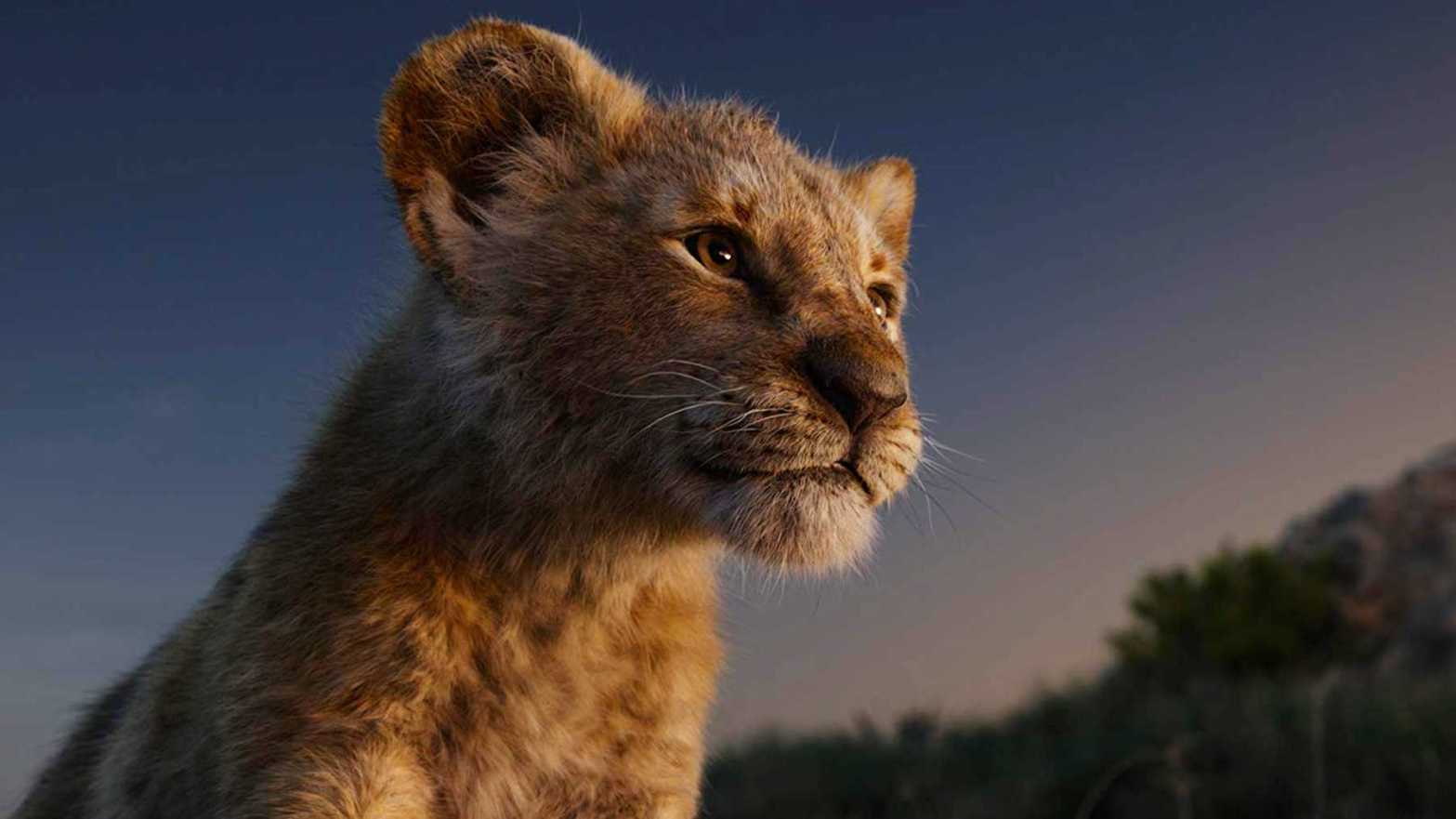
Jon Favreau has created a film that is visually impressive but struggles to match the energy and charm of the 1994 original.
Beginning with Kenneth Branagh’s remake of Cinderella in 2015, Disney have been on a mission to rehash their beloved animated classics in the form of live action remakes. Although often receiving mixed responses from critics, these remakes have been commercially successful and it is therefore inevitable that many more are being produced. In 2019 alone, we’ve had remakes of Dumbo, Aladdin and now, a photorealistic take on The Lion King.
David Stephan, an animator on the original 1994 film, believes that these remakes are an indication of Disney selling its soul, with ‘the stockholder…deciding what movies get made’. He went on to tell the Huffington Post: ‘That’s disappointing as an artist, from a studio that was founded on originality and art.’
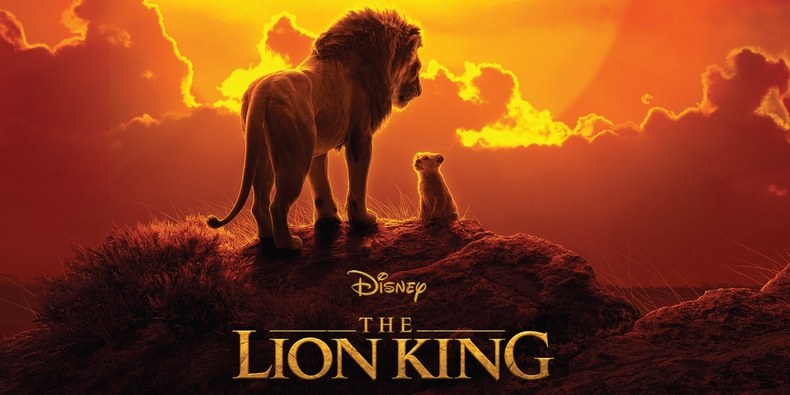
Whilst it is true that Disney’s recycling of their successful back catalogue cannot be praised for originality, that does not mean that Jon Favreau’s take on The Lion King is without artistic merit. In visual terms alone, this film is absolutely stunning. Despite this film being billed by many as a “live action” reimagining of The Lion King, there is only one real live action shot in the film: the opening establishing shot. Everything else in the film has been created by animators and CG artists and they have done a truly remarkable job.
The film opens in a familiar manner to the 1994 original, with a near shot-to-shot remake of the Circle of Life sequence. This opening sequence showcases photorealism and Favreau’s visual style at its best, with each and every creature being portrayed in a surreally lifelike manner. Some of the film’s finest shots appear in this sequence, with majestic sunsets filling the sky above the animals who are making their way across the beautiful Pride Lands. It is a visual triumph and when this is matched with the iconic, stirring musical number, its power cannot be downplayed. I felt an urge to begin a rapturous applause at the sequence’s close, perhaps down to nostalgia, but even more so because of the sequence’s dazzling authenticity. It is truly awe inspiring and it is worth viewing this film in a cinema for the opening sequence alone.

Whilst photorealism works wonders in the opening sequence, it begins to cause some problems as the film progresses. An awful lot of work has gone into making The Lion King look as authentic as possible, with the result being visuals that would not look out of place in a nature documentary. However, this emphasis on photorealism compromises much of the characterisation in the film. Mouth movements are an obvious issue, with photorealism not lending itself well to a film featuring talking and singing animals. As well as this, the lack of facial expressions is truly problematic. Whereas the original animation could give the animal characters profound human expressions, this is not possible in Favreau’s remake. The lack of emotion in the faces of the characters makes the film feel one-note and often monotonous.
This is not helped by the film’s pacing. Favreau’s film is incredibly faithful to the 1994 animation and each sequence in this remake seems to mimic the original. Despite this, Favreau still manages to add thirty minutes on to the running time from the original film. Given the lack of changes in both structure and narrative, the film’s near two hour running time feels unnecessary. In contrast to the energetic quality of the original animation, Favreau’s The Lion King struggles to maintain any sense of energy and drags itself along slowly in its middle section.
In terms of the voice cast, Donald Glover and Beyoncé Knowles-Carter show audiences their impressive singing capabilities in the roles of Simba and Nala. Chiwetel Ejiofor’s take on Scar is much less camp than that of Jeremy Irons but is just as menacing. It is Seth Rogen and Billy Eichner who steal the show in the roles of warthog Pumbaa and meerkat Timon, respectively, with their comedic exchanges feeling completely natural and unscripted.
Despite its flaws, Favreau has still created a film that is visually stunning. Unfortunately, despite the impressiveness of this photorealistic take on The Lion King, it struggles to match the energy and characterisation of the 1994 original. This leaves a viewer wondering what the point of it all is. If it struggles to match the energy and charm of the animation and does not do anything new with the narrative, the resulting film feels pointless.

 Movie Marathon